When an overseas employer calls a $50 million performance guarantee on short notice, the buyer of legal services changes in a single afternoon.
Business development in most law firms is built around the person who has the problem. That is a reasonable place to start, because it is usually the person who will call, and in the ordinary run of matters it is also the person who decides.
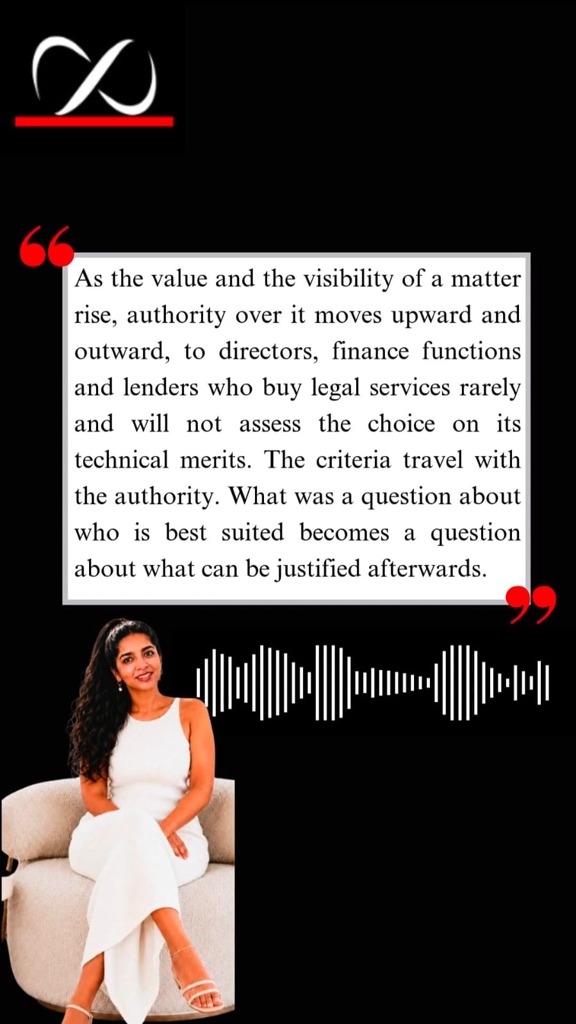
As the value and the visibility of a matter rise, authority over it moves upward and outward, to directors, finance functions and lenders who buy legal services rarely and will not assess the choice on its technical merits. The criteria travel with authority. What was a question about who is best suited becomes a question about what can be justified afterwards.
Looking at a number of firms from the outside at once, this is the pattern that is hardest to miss, and the one most often diagnosed as something else. Firms lose mandates they were well qualified for, conclude they have a visibility problem, and address it in the direction of a buyer who was never the decision-maker.
The General Counsel may have spent 18 months managing the underlying dispute alongside a trusted boutique. But once a guarantee of that scale is called, the decision escalates immediately. The GC was looking for suitability, such as the team that knows the site, the contract, and the facts. The Board is looking for defensibility – a selection that cannot be second-guessed if the outcome is bad.
Firms consistently pitch to the first buyer, only to be replaced by the second.
Reassurance Over Capability: The Defensibility Premium
Under lender scrutiny and the threat of a balance-sheet loss, appointing an AmLaw 100 or Magic Circle firm is a career-safe act.
If a global firm loses a $50 million guarantee stay, the Board blames the facts. If a specialist boutique loses the same stay, the Board blames the selection. At moments of peak institutional panic, technical capability becomes secondary to institutional reassurance.
The firm that spent two years building the evidentiary paper trail is frequently demoted to co-counsel behind a newly instructed global firm. Reading that outcome as a failure of marketing misdiagnoses how corporate governance operates under stress.
Three Strategic Responses for Boutique Leadership
Managing partners at boutique firms face three distinct options when navigating this boardroom dynamic:
- The Heroic Pitch (High Cost, Zero Yield): Compete head-to-head for the lead mandate at peak crisis. Most boutiques choose this path, burning BD resources pitching the Board during a panic, only to lose to a global brand they outclass on technical facts.
- The GC-Authored Mandate (High Margin, High Win Rate): Focus origination exclusively on matters that sit strictly within the General Counsel’s signing threshold. These mandates: covenant waivers, supply-chain disputes, pre-arbitration strategy, never reach the Board, allowing the GC to select for technical suitability without institutional pushback.
- Productised Co-Counsel & Emergency Execution (Scalable Subcontracting): Accept the institutional reality and position the firm as the indispensable execution engine. When a global firm is parachuted in, they lack site history, local court standing, and conflict-free agility. By selling specialized execution directly to global firms, litigation funders, and insolvency practitioners, you capture partner-level billable work without fighting boardroom brand inertia.
The Origination Diagnostic
I have written before that most firms have a clear picture of the mandates they pitched for and lost, and very little sense of the ones they were never considered for. This is a variant of the same blindness, and it has a sharper test attached to it.
To audit where your firm is wasting BD spend, run a post-mortem on your last five major lost pitches:
- Identify who held final sign-off authority, not who drafted the RFP or conducted the interviews, but who signed the engagement letter.
- Evaluate what that final decision-maker had seen from your firm before the day of the crisis.
If the answer is “nothing,” your firm spent its origination budget building a relationship with an internal sponsor who was structurally disempowered the moment the stakes became material.
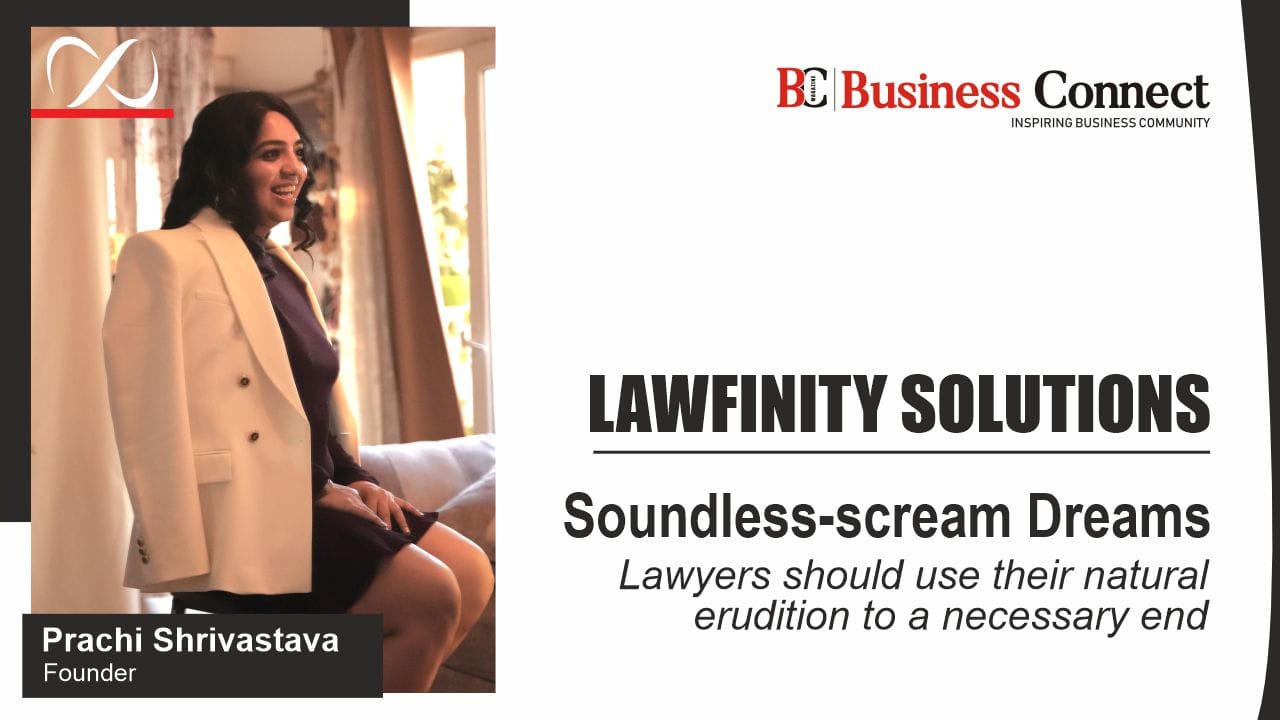
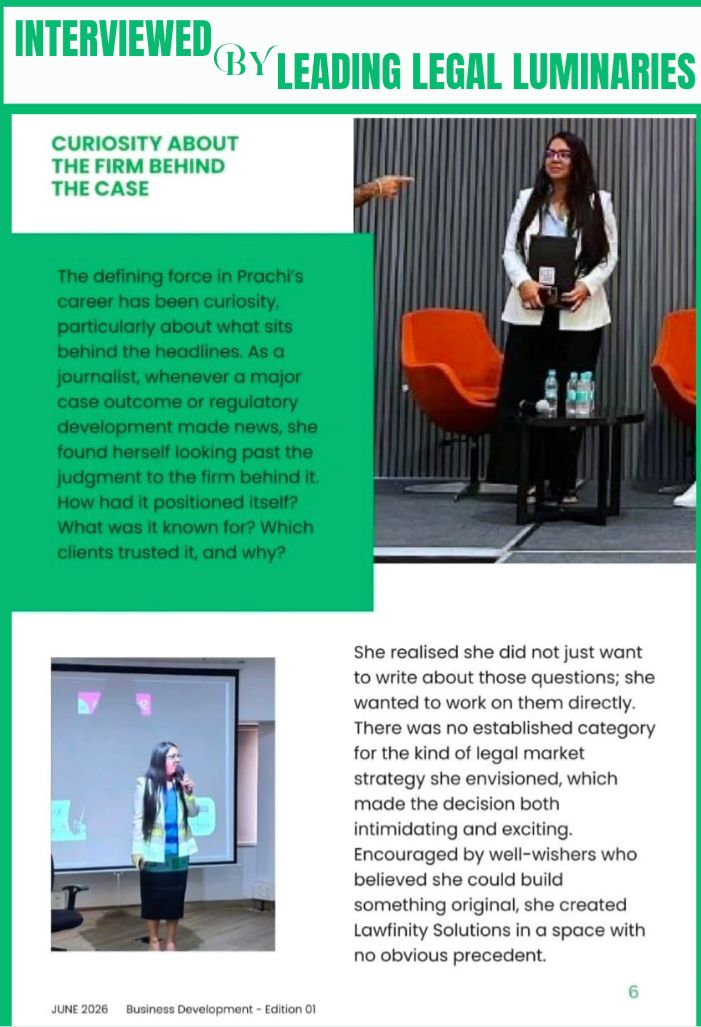
Lawfinity Solutions advises international law firms on cross-border legal market positioning. If the India corridor is a live question for your firm, we would be interested in a conversation. Lawfinity works with one firm per jurisdiction. Engagements begin with a single conversation about your firm’s current position and where the corridor question is live for you. Write to Prachi Shrivastava