A company misses a milestone under a government incentive programme because equipment could not be delivered. Over the following year it explains that delay four times. Once to the ministry, in support of an extension and a waiver of penalties. Once to the equipment vendor, in the course of renegotiating a delivery schedule. Once to its lenders, in covenant compliance certificates. Once to the market, through disclosures and analyst commentary.
Four accounts of the same facts, produced by four functions, on four timelines, none of which reads the others. The regulatory submission argues that performance was not reasonably possible. The renegotiated schedule agreed three months earlier establishes that delivery was achievable on revised terms. Both are true, and together they create a question that somebody will eventually ask.
Any disputes partner can see the problem instinctively, and the remedy is straightforward. One team holds the factual account, everything going out is checked against it, and the review costs a few hours. It is obviously worth doing.
The challenge is not a matter of messaging. It stems from how corporate legal spend is structured and approved.
The Structural Barriers to Buying Preventive Advice
- Absence of an Execution Trigger: Unlike a regulatory deadline, a covenant compliance date, or a mandatory disclosure filing, factual alignment has no fixed statutory date. Without an immediate deadline, it rarely becomes a priority.
- Diffused Ownership: The underlying communications span government affairs, treasury, procurement, and company secretarial teams. A General Counsel proposing an alignment review must convene four unaligned internal departments and secure funding for an unbudgeted initiative.
- Invisible Value: Success means an inquiry that was never opened or a penalty that was never levied – outcomes that are difficult to quantify or present to a Board as a return on legal spend.
Work with those three properties is not badly marketed. It is structurally unbuyable in the form in which it is usually offered.
The standard mistake
The instinctive response is to make it more sellable by making it more definite. Give it a name, capitalise the name, define a scope, list the deliverables, put a fee against it.
This usually makes things worse. A named product requires a budget line, and the whole difficulty was that no budget line exists. Naming it converts an extension of work the firm is already doing into a new item of spend, which is the category that attracts procurement, comparison and deferral. It also invites the buyer to ask what happens if they do not buy it, and the honest answer is often nothing, for years.
There is a further temptation specific to this example, which is to sell the review on privilege. I would be careful. Privilege for in-house and internal reviews is not reliable everywhere, it does not reach underlying facts or documents that already exist, and the deliverable is a schedule of every inconsistency in the company’s own filings. A firm that oversells the protection and is wrong has created the most damaging document in the file and will be remembered for it. A general counsel who knows the position will discount the entire proposal on that point alone.
What actually moves it
Preventive legal advice sells when it is integrated into matters that already possess a clear trigger, an accountable owner, and an approved budget line.
Attaching Alignment to Existing Budget Triggers
| External Trigger | Primary Budget Owner | Embedded Alignment Component |
| Regulatory Show-Cause Notice | General Counsel | Audit administrative defense filings against commercial vendor correspondence and public disclosures. |
| Debt Covenant Waiver Request | CFO / Treasury | Verify that operational delay claims presented to lenders align with representations made to regulators. |
| Pre-Earnings Disclosure Review | Company Secretary / IR | Reconcile public analyst decks with ongoing administrative waiver applications. |
| Pre-Financing Due Diligence | Deal Team / Lenders | Audit supply chain milestone shifts across active counterparty contracts prior to capital raising. |
That is a less satisfying answer than a product, because it means the work itself cannot be marketed. It has to be built into how the firm handles instructions it already receives, which is a matter of practice management rather than of publishing.
The general shape
The hardest work to sell is the work that prevents a cost the client will never see. That describes a great deal of what experienced lawyers know to be valuable, and it explains why so much of it goes undone in companies that are perfectly well advised on everything with a deadline attached.
The answer is rarely better packaging. Firms reach for packaging because it is the lever a marketing function controls, and it fails here for a reason that has nothing to do with how the work is described. The constraint is that the client has no mechanism for buying it, and the only reliable fix is to attach the work to a mechanism that exists.
A firm that understands this will stop trying to sell preventive advice as a product and start ensuring it appears inside every instruction where it belongs. That change is invisible from outside and shows up in realisation rather than in pipeline, which is probably why it is rarely made.
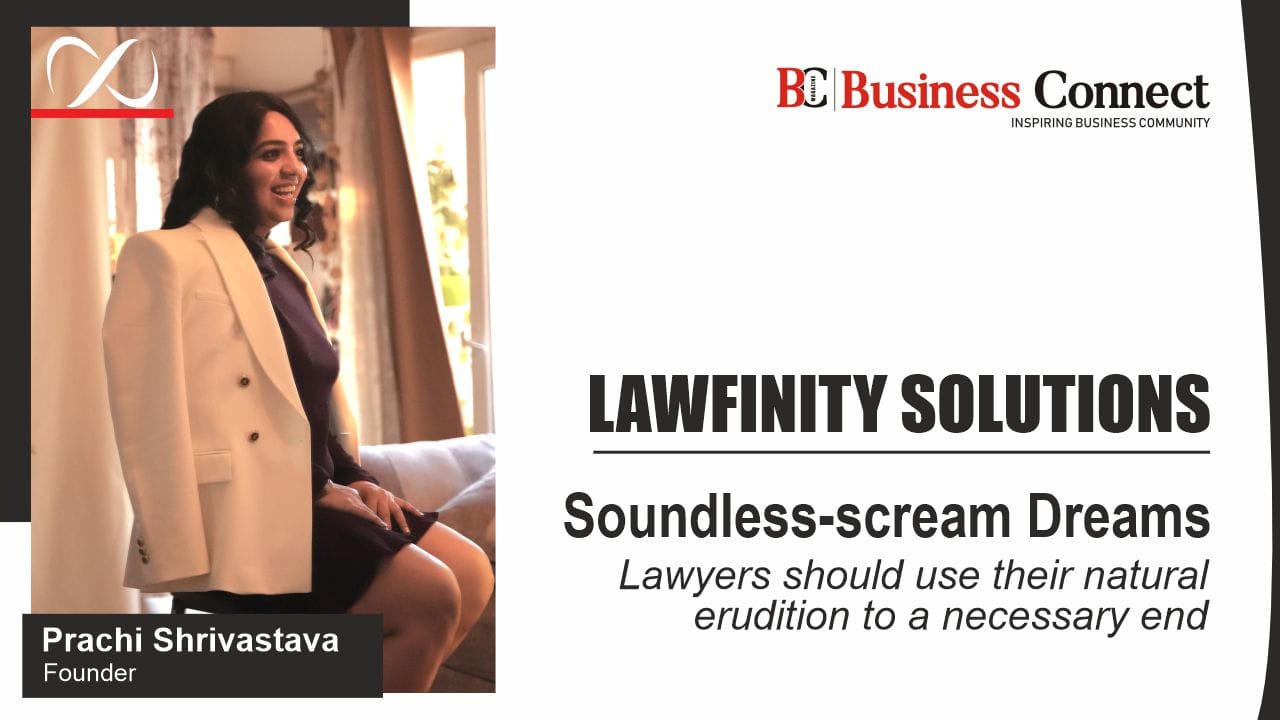
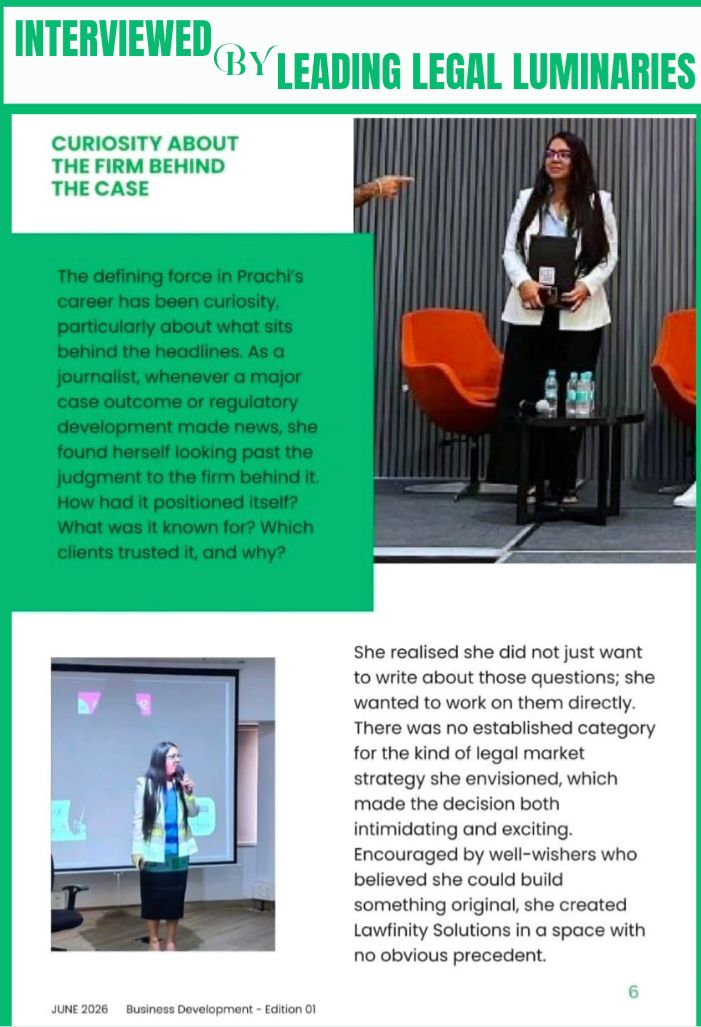
Lawfinity Solutions advises international law firms on cross-border legal market positioning. If the India corridor is a live question for your firm, we would be interested in a conversation. Lawfinity works with one firm per jurisdiction. Engagements begin with a single conversation about your firm’s current position and where the corridor question is live for you. Write to Prachi Shrivastava